 Zum Inhalt springen

Native Cigarettes Your Friendly Guide to Understanding the Tradition
Native cigarettes, often crafted by Indigenous communities using traditional methods, offer a smoother, additive-free alternative to commercial smokes. Many smokers seek them out for their distinct, natural tobacco flavor and cultural authenticity. They represent a connection to heritage that’s both personal and deeply rooted in history.
Understanding Indigenous-Made Tobacco Products
Understanding Indigenous-made tobacco products requires recognizing their distinct cultural, legal, and chemical foundations. Unlike commercial cigarettes, these products are often grown and prepared without additives for traditional ceremonies, where tobacco holds sacred significance. The term „natural tobacco products“ accurately describes these hand-processed blends, which typically contain higher nicotine levels and no chemical flavorings. Legally, their sale on sovereign lands creates a separate regulatory framework, exempting them from certain federal taxation. Consumers should note that despite being additive-free, these products still carry health risks associated with nicotine and combustion. For non-Indigenous users, seeking authentic Indigenous tobacco involves verifying tribal sourcing and intended ceremonial use to avoid misappropriation. Understanding these distinctions is crucial for informed purchasing decisions and respecting the cultural contexts from which these products originate.
Historical Roots of Tribal Tobacco Cultivation
For generations, Indigenous communities have cultivated tobacco as a sacred plant, distinct from the commercial cigarettes flooding modern markets. This is not about addiction, but about ceremony, prayer, and connection to the earth. Indigenous-made tobacco products, often grown without synthetic additives, are used in smudging rituals, pipe ceremonies, and offerings to honor ancestors. The smoke carries intentions skyward, a language of gratitude. Unlike mass-produced brands, these blends prioritize purity over profit. Each leaf holds a story older than any corporation. Understanding Indigenous-made tobacco means respecting its spiritual roots. Recognizing this difference is crucial: it shifts the narrative from recreational use to cultural preservation, honoring traditions that have survived centuries of erasure. These products are a living link, not a consumer good.
Current Legal Standing on Sovereign Lands
Indigenous-made tobacco products are distinct from commercial cigarettes, often used in sacred ceremonies or as traditional medicine rather than for recreational smoking. Understanding the cultural context of Indigenous tobacco use is essential for respectful engagement. These products typically contain natural, additive-free leaves like Nicotiana rustica, which has higher nicotine content, and are grown or harvested by Indigenous communities. If you encounter them, recognize that their purpose varies widely—some tribes use them for prayer, healing, or social bonding. To avoid cultural appropriation or harm, always ask a community member or elder about appropriate protocols. Do not assume all Indigenous tobacco is safe; its potency can cause stronger effects. For non-Indigenous people, purchasing or using these products without guidance may disrespect traditions and violate tribal laws.
Comparing Quality and Composition
When analyzing high-quality content, the distinction between composition and quality is critical. Quality reflects the tangible value, accuracy, and engagement of the material, while composition governs the structural architecture—how sentences and ideas flow logically. A poorly composed article, even with excellent facts, loses credibility. Conversely, flawless composition cannot salvage superficial or unoriginal information. For superior results, both elements must be intentional: composition ensures clarity and readability, while quality delivers substance and authority. A piece with robust composition but shallow insights fails to retain audiences; one with quality data but chaotic structure frustrates readers. The most persuasive content harmonizes these forces, using strong frameworks to elevate compelling information. This synthesis is the cornerstone of effective communication, directly impacting search rankings and user trust. Prioritize neither aspect alone; instead, craft material where composition amplifies Native smokes Online quality, creating an indispensable resource that outperforms competitors.
Additive-Free Blends vs. Commercial Brands
Comparing quality and composition in writing reveals that quality measures the overall effectiveness and impact of the text, while composition focuses on its structural and technical arrangement. Superior content marketing requires both elements to engage readers. A well-composed piece—with logical flow, clear paragraphs, and precise syntax—supports high quality, but quality also demands originality, emotional resonance, and accuracy. Composition alone can feel hollow; quality without composition becomes chaotic. To achieve excellence, prioritize these components:
- Clarity: Simple, direct language ensures the message is understood.
- Coherence: Ideas connect logically, guiding the reader seamlessly.
- Relevance: Every word serves the core argument or purpose.
- Conciseness: Remove fluff to sharpen impact and value.
Mastering composition is the foundation, but relentless focus on quality separates memorable writing from the forgettable. Evaluate each draft against these criteria to produce persuasive, authoritative content that commands attention and drives action.
Nicotine Content and Flavor Profiles
When comparing language materials, quality and composition are distinct yet interdependent. Quality and composition in writing determine clarity and impact. Quality refers to the accuracy, coherence, and appropriateness of content, including factual correctness and grammatical precision. Composition, meanwhile, encompasses structural elements like paragraph flow, sentence variety, and logical progression. Key differences include:
- Quality: Focuses on correctness, depth, and value of information.
- Composition: Emphasizes arrangement, rhythm, and readability.
High-quality text with poor composition can confuse readers, while strong composition with low-quality data misleads. Effective English writing balances both: precise facts organized with intentional transitions. Assessing both metrics ensures the final product is both trustworthy and engaging.
Pricing Dynamics and Tax Exemptions
Pricing dynamics are never static, shifting with supply, demand, and consumer behavior. Strategic pricing models often collide with the regulatory landscape of tax exemptions, creating unique market advantages. For instance, certain industries leverage exemptions on raw materials or nonprofit status to lower base costs, allowing them to undercut competitors while sustaining margins. Meanwhile, digital commerce faces volatile dynamics as jurisdictions update exemption rules for services and subscriptions. Savvy businesses monitor these shifts, adjusting real-time pricing to avoid penalties or capture arbitrage opportunities. The interplay transforms a simple price tag into a complex negotiation between value perception and fiscal policy, making mastery of both a critical edge.
Why Prices Are Lower on Reservations
In the bustling marketplace, pricing rarely stands still—it dances to the rhythm of supply, demand, and the subtle tug of tax exemptions. A vendor selling organic honey might lower prices during a bumper harvest, yet raise them when bees grow scarce, all while navigating the fine print of value-added tax relief for essential goods. Strategic pricing dynamics and tax exemptions determine how far a dollar stretches, especially for essentials or charitable purchases. For instance:
- Seasonal shifts in pricing reflect crop yields or holiday demand.
- Tax-exempt status on medicines or school supplies can slash final costs.
- Government incentives sometimes create temporary price floors or ceilings.
This interplay turns a simple price tag into a living story of economic forces—one where a well-timed exemption can sweeten the deal as surely as a summer harvest.
State vs. Tribal Tax Disputes
Pricing dynamics shift constantly based on supply, demand, and competitor moves, so businesses must stay agile to avoid losing margin. Tax exemptions can seriously shake up these dynamics by removing certain fees for qualifying buyers—like nonprofits or export customers—which often lets sellers drop prices without hurting profits. Knowing which exemptions apply to your industry can turn a losing bid into a winning one. Strategic tax exemption management helps maintain cash flow while keeping your pricing competitive in a crowded market.
Where to Purchase These Products
For premium quality and authenticity, you should prioritize purchasing from verified brand flagship stores on major platforms like Amazon or the official brand website. These outlets guarantee genuine products, robust customer service, and hassle-free returns, which is crucial for maintaining product integrity. For a curated, hands-on experience, explore specialty brick-and-mortar retailers in your city. Local boutiques often offer expert advice and the chance to see the items up close. For the best deals, check authorized resellers on eBay, but always verify their seller rating.
Buying direct from the source with a verified warranty is always the safest investment for your satisfaction.
Alternatively, subscription boxes and lifestyle stores like Uncommon Goods offer unique finds. Shop smart by comparing prices and reading recent reviews before clicking „add to cart.“
On-Reservation Smoke Shops and Online Retailers
You can purchase these products directly from our official website for guaranteed authenticity and the best selection. Additionally, authorized online retailers like Amazon and Walmart offer convenient shipping and customer reviews. For immediate pickup, major home improvement stores such as Home Depot and Lowe’s stock these items in their physical locations. Never compromise on quality by buying from unverified third-party sellers. Local specialty boutiques may also carry select premium models, but you will pay a premium. Always check the manufacturer’s store locator to find a verified dealer near you.
Verifying Authenticity and Vendor Reputation

For the most reliable selection and competitive pricing, you should head directly to the official brand websites, where you will often find exclusive bundles and the newest releases. Major online retailers like Amazon, Best Buy, and Walmart also stock these items, offering fast shipping and flexible return policies. For a hands-on experience to test the product quality before buying, check local specialty stores or big-box electronics retailers. Don’t forget to explore authorized resellers and online marketplaces for potential deals, but always verify their legitimacy to avoid counterfeits. Finally, signing up for notifications on main brand platforms ensures you never miss a restock or limited drop, keeping your purchase process both savvy and secure.
Health Considerations and Regulations
The pushcart’s wheels groaned under the weight of fresh produce, a mobile market in a city where every bite is policed by invisible rules. Health considerations here aren’t just abstract; they are the gnarled hands of the farmer checking for blight, the gloved fingers of the inspector swabbing a stainless-steel counter. Food safety regulations are the quiet, unwavering script that dictates how the morning’s catch is chilled, how the bakery’s flour is stored far from the damp cellar wall. In a neighborhood kitchen, a grandmother learns that her cherished, low-acid pickling recipe now requires a pressure canner, a new tool in the fight against botulism. These laws, born from old outbreaks and quiet tragedies, form a protective lattice. They are not always visible, but their absence is a sour smell, a sudden illness, a restaurant’s darkened storefront—a stark public health barrier that, once breached, is painfully rebuilt. Compliance becomes a daily ritual, a quiet agreement between the vendor and the customer that the tomato, the milk, the bread, is safe to hold.
Potential Benefits of Fewer Chemical Additives
Health considerations and regulations are the bedrock of public safety, ensuring that products, workplaces, and environments minimize harm. Rigorous compliance with frameworks like OSHA, FDA, or HIPAA is non-negotiable for preventing disease and injury. Regulations mandate risk assessments, hygiene protocols, and labeling standards, directly reducing exposure to toxins and pathogens. Key oversight areas include:
- Workplace safety: limits on chemical exposure and ergonomic requirements.
- Food and drug safety: stringent testing for contaminants and efficacy.
- Data privacy: safeguarding patient health records from breaches.
Ignoring these rules invites legal penalties and catastrophic health crises. Prioritizing regulation is an investment in community resilience, not just a bureaucratic checkbox.
Health Warnings and Smoking Cessation Resources
Health considerations in any consumer product or service demand rigorous compliance with safety protocols. Regulatory compliance ensures public safety by mitigating risks like contamination or harmful ingredients. For example, food and drug industries must adhere to standards such as FDA or EFSA guidelines, which mandate testing, labeling, and hygiene controls. Non-compliance leads to recalls, penalties, and reputational damage. Key regulations include:
- Hazard analysis and critical control points (HACCP) for food safety.
- ISO 13485 for medical devices.
- REACH for chemical substances in the EU.
These frameworks empower businesses to prioritize consumer well-being while avoiding legal pitfalls.
Q&A:
Q: What is the most critical regulation for dietary supplements?
A: Good Manufacturing Practices (GMPs) under the FDA or equivalent authority—they ensure purity, potency, and honest labeling.
Cultural and Economic Significance
The vibrant tapestry of a society is woven with threads of cultural heritage, which directly fuels its economic vitality. From artisan crafts and traditional cuisines to historic festivals and living museums, culture creates unique marketplaces that attract global tourism and investment. This dynamic exchange not only preserves ancient skills but also generates significant revenue and employment, forming the backbone of local and national economies. When communities honor their artistic expressions and rituals, they forge a powerful brand identity that distinguishes them in a crowded global market. Ultimately, the fusion of tradition and commerce sustains both the soul of a people and their financial resilience, proving that protecting cultural roots is a shrewd and essential economic strategy for long-term prosperity.
Ceremonial Use Across Tribal Communities
In the bustling markets of Marrakech, the vibrant dye of saffron tells a story of cultural heritage and economic survival. This golden spice, painstakingly harvested by hand, has flavored Moroccan cuisine for centuries, symbolizing both hospitality and prosperity. Its cultivation sustains entire villages, yet climate change and unstable pricing threaten this fragile livelihood. Local cooperatives now fight to preserve this tradition, but global demand often undervalues their labor. Cultural heritage tourism offers a lifeline, as travelers pay to witness the harvest and learn its history. Without such initiatives, this ancient craft risks disappearing, taking with it both a cultural identity and a vital economic anchor for rural communities.
Role in Supporting Indigenous Economies
Cultural and economic significance intertwines to form the backbone of societal resilience and market vitality. Local artisan economies thrive when heritage crafts are preserved, as authentic traditions attract tourism and command premium prices, whereas mass-produced goods often dilute value. Key indicators of this synergy include:
- Heritage tourism revenues, which can increase 15-20% annually in regions with active cultural preservation
- Employment multipliers, where one artisan role supports three to five ancillary jobs in supply chains
- Intellectual property protections, which prevent exploitation of traditional designs by outside corporations
Ignoring this link risks economic homogenization and loss of distinct market identities. For sustainable growth, policymakers must prioritize cultural asset mapping and invest in community-led enterprises that balance global demand with local authenticity.
Legal Challenges and Interstate Sales
The legal landscape governing interstate sales in the United States is fraught with complexity, primarily due to the patchwork of state consumer protection laws and licensing requirements. While the dormant Commerce Clause generally prohibits states from unduly burdening interstate commerce, sellers must navigate varying sales tax collection rules post-Wayfair, which impose significant compliance costs. A formidable challenge lies in differing product liability statutes; a manufacturer compliant in one state may face litigation in another with stricter standards. To succeed, businesses must adopt a proactive legal strategy, incorporating robust contractual waivers and multi-state compliance audits. Adapting to these hurdles is not optional—it is the decisive factor separating market leaders from those paralyzed by regulatory risk. The path forward demands rigorous legal due diligence to unlock the full potential of a national customer base.
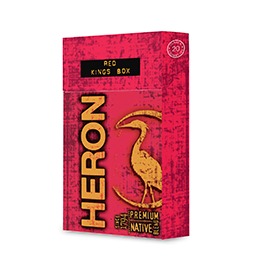
Mail-Order Controversies and Federal Oversight
Navigating interstate sales legal challenges demands a proactive strategy to avoid costly litigation. Businesses must reconcile conflicting state regulations on taxation, product licensing, and consumer protections, as failure to comply with a single jurisdiction’s unique mandates can expose a company to multi-state liability. Direct-to-consumer shipment bans, particularly for alcohol and hemp-derived products, create fractured market access where one non-compliant delivery voids a license. Smart operators implement rigorous compliance software to track state-specific sales thresholds and tax nexus rules, ensuring their interstate growth is legally sound and unimpeded by regulatory surprises.
Compacts and Agreements with State Governments
Legal challenges surrounding interstate sales primarily involve jurisdictional conflicts, varying state regulations, and taxation disparities. In the United States, the interstate commerce legal framework is shaped by the Commerce Clause, which limits states from unduly burdening cross-border trade. Key hurdles include compliance with differing consumer protection laws, licensing requirements, and sales tax collection obligations following the *South Dakota v. Wayfair* decision. Businesses must also navigate product-specific bans—such as alcohol or cannabis—that vary by state. These complexities can increase operational costs and legal risks for sellers.

Navigating interstate sales without a unified compliance strategy invites costly litigation and regulatory penalties.
Critical factors include:
- State-specific nexus rules triggering tax liabilities.
- Disparate product safety standards and labeling laws.
- Electronic commerce disclosure mandates (e.g., data privacy).
Consumer Tips for First-Time Buyers
Navigating your first major purchase can feel overwhelming, but smart strategies empower you. Before you commit, always conduct thorough market research to compare prices, reviews, and warranties across multiple platforms. Setting a strict budget—and sticking to it—prevents impulse regret, while test-driving or physically inspecting the item ensures quality.
Never rush the decision; patience often uncovers the best deals and saves you hundreds.
Remember to read the fine print on return policies and seek recommendations from trusted buyers. With preparation and cautious enthusiasm, you’ll secure a purchase that genuinely satisfies your needs without breaking the bank.
Recognizing Legitimate Brands and Packaging
First-time buyers should prioritize research over impulse, starting with a clear budget that includes hidden costs like taxes and fees. Comparing multiple lenders for pre-approved mortgage rates can save thousands over the loan’s life. Always inspect the property or product thoroughly, requesting a warranty when possible. For tangible goods, verify return policies and shipping timelines. For services or contracts, read every clause—especially fine print on cancellation terms.

Understanding Return and Exchange Policies
First-time buyers, empower your journey by prioritizing research over impulse. Start by auditing your credit score and securing mortgage pre-approval to establish your true budget, avoiding the disappointment of falling for homes outside your financial reach. Mastering your budget is the cornerstone of a successful first home purchase. Beyond the list price, factor in closing costs (2-5% of the home price), property taxes, and a home inspection fee—non-negotiables that uncover hidden repair costs. Use a simple checklist to stay grounded:
- Needs vs. Wants: List absolute necessities (e.g., number of bedrooms) separately from desirable upgrades (e.g., granite countertops).
- Neighborhood Deep Dive: Check crime rates, school ratings, and commute times during rush hour, not just on weekends.
- Professional Team: Vet a real estate agent with strong first-time buyer reviews and a lender who explains terms clearly.
This strategic approach transforms anxiety into confident action, turning the key in your first door with eyes wide open.
